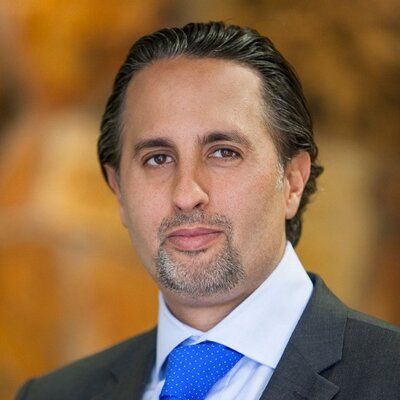


In this episode of the Oncology Brothers podcast, we had the privilege of hosting Dr. Omid Hamid, a melanoma specialist from Cedars-Sinai, to discuss the current treatment landscape of melanoma. We covered a wide range of topics, starting with the standard of care for early-stage melanoma, including the importance of wide local excision for stage IA and sentinel lymph node evaluation for stage IB and beyond. Dr. Hamid emphasized the shift in treatment paradigms, particularly the role of adjuvant immunotherapy and the significance of next-generation sequencing (NGS) in managing high-risk patients.
As we moved into stage II melanoma, Dr. Hamid highlighted the necessity of adjuvant therapy with checkpoint inhibitors, especially for patients with stage IIB and IIC, and discussed the implications of immune-related adverse events. He also introduced the concept of circulating tumor DNA (ctDNA) as a prognostic tool, noting its potential benefits in monitoring patients post-surgery.
Transitioning to stage III, we explored the evolving treatment landscape with neoadjuvant immunotherapy options, including the promising results from recent trials like SWOG S1808 and NADINA. Dr. Hamid shared insights on the importance of achieving a pathologic complete response and the ongoing discussions about the future of treatment in this space.
In the metastatic setting, we discussed the standard workup, including the necessity of brain MRIs and the role of dual checkpoint inhibitors versus BRAF-MEK inhibitors. Dr. Hamid provided clarity on treatment decisions for patients who have previously undergone immunotherapy, emphasizing the need for a tailored approach based on individual patient responses.
Overall, this episode was packed with valuable information on the latest advancements in melanoma treatment, the importance of patient education and shared decision-making, and the ongoing need for clinical trials to refine our therapeutic strategies.