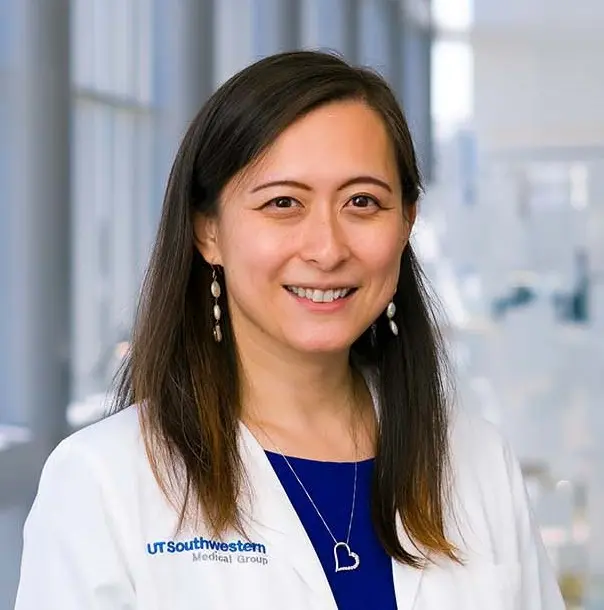


Dr. Tian Zhang from UT Southwestern to discussed key highlights from the GU malignancy presentations at the ASCO 2025 annual meeting.
We began our discussion with the KEYNOTE-564 trial, which focused on adjuvant pembrolizumab in renal cell carcinoma (RCC). Dr. Zhang highlighted the study's design and its significant findings, including a mature overall survival benefit with a hazard ratio of 0.66, reinforcing the role of adjuvant pembrolizumab in patients at high risk for recurrence post-nephrectomy.
Next, we delved into the AMPLITUDE trial, which examined the combination of the PARP inhibitor niraparib with abiraterone in metastatic castration-sensitive prostate cancer. Dr. Zhang explained how this study emphasized the importance of germline and somatic testing, particularly for patients with BRCA mutations, as they showed the most benefit from the treatment.
We then discussed the ARANOTE study, which recently led to the FDA approval of darolutamide for metastatic hormone-sensitive prostate cancer. At ASCO we also saw compelling health-related quality-of-life data, indicating that patients receiving darolutamide experienced improvements in pain progression and overall well-being.
Finally, we explored the NIAGARA trial, which investigated the role of ctDNA in muscle-invasive bladder cancer. Dr. Zhang shared insights on how ctDNA positivity correlates with poorer prognosis and the potential for intensifying treatment in these patients.
In summary, this episode provided valuable insights into four important abstracts from ASCO 2025, reinforcing the significance of personalized treatment approaches and the need for ongoing research in GU malignancies.